






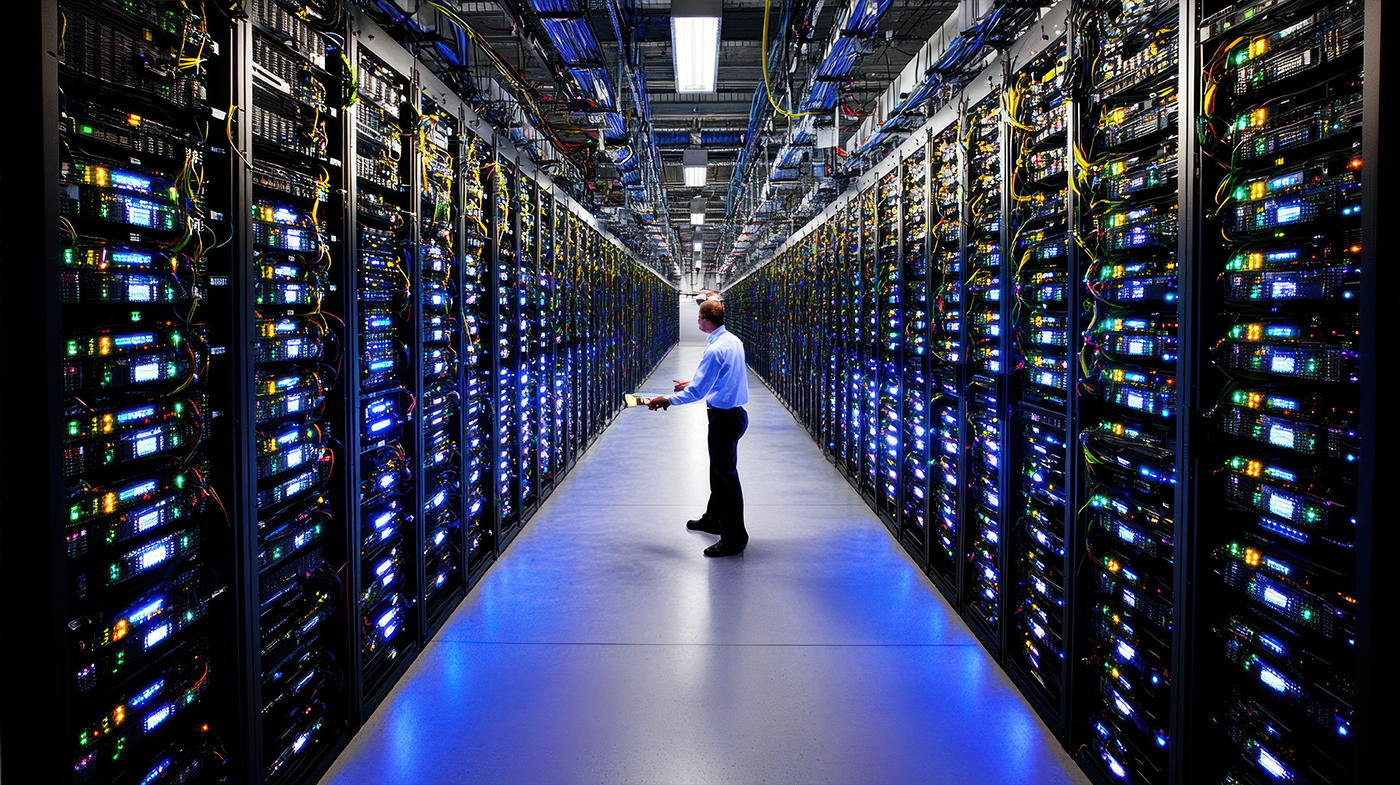
Launched at the AI Summit, Deloitte Asia Pacific’s Powering Asia Pacific’s Data Centre Boom report highlights that as the region emerges as the next major global data center hub, India has a strong opportunity to position itself at the forefront, provided critical enablers are aligned.
Rapid data center expansion is creating significant economic value while also placing new pressure on energy systems in transition, making it essential to balance growth with reliable and sustainable power. In this context, India’s expanding renewable energy base and clean power can play a central role in supporting the next phase of data center growth, supported by smarter power sourcing, stronger grid readiness and coordinated policy action to ensure reliable and sustainable energy at scale.
“Asia Pacific is at a tipping point,” said Will Symons, Deloitte Asia Pacific Sustainability Leader. “AI, cloud and digital connectivity is surging, driving massive new investments in energy-intensive data centers. Across the region electricity grids are already under pressure to decarbonize and maintain affordability, resilience and security. Taking a power-first approach with clean energy is critical to power new data centers, accelerate decarbonization and underpin continued economic growth.”
Debasish Mishra, Chief Growth Officer (CGO), Deloitte South Asia said, “India has a rare structural opportunity to rise as one of the world’s leading data centre hubs, powered by its cost competitiveness, deep talent and rapidly expanding renewable energy base. The defining moment will be how swiftly power availability and transmission readiness scale with the country’s digital ambition. With the right alignment of policy, grid infrastructure and renewable deployment, India can build AI infrastructure that is globally competitive, sustainable and future ready, and position itself at the heart of the next era of digital growth.”
Key challenges in powering AI data centre in India
- New data centres are growing fast, but power generation is not keeping up, creating an energy supply gap.
- Grid stability limitations and constrained substation capacity in high growth corridors
- Longer development timelines for transmission upgrades compared to renewable generation projects
- Regulatory differences across states in renewable banking, tariffs and policy incentives
- Lack of a unified national framework to support renewable integration for data centres
Recommendations and way forward
- Accelerate renewable integration through solar-wind hybrid models with storage to ensure reliability for high-density AI workloads
- Expand long-term green PPAs, group captive structures and captive renewable installations to provide tariff certainty
- Upgrade transmission networks and expand high-capacity substations near growth clusters
- Develop power-ready dedicated Data Centre Economic Zones with pre-built substations and standardised connection timelines
- Standardise state-level renewable banking policies to provide predictable round-the-clock clean power portfolios
- Leverage AI to run non-urgent computing tasks at times when clean and low-cost electricity is available
- Incentivise decentralised renewable models including co-located solar and storage infrastructure in emerging corridors








Leave a comment