






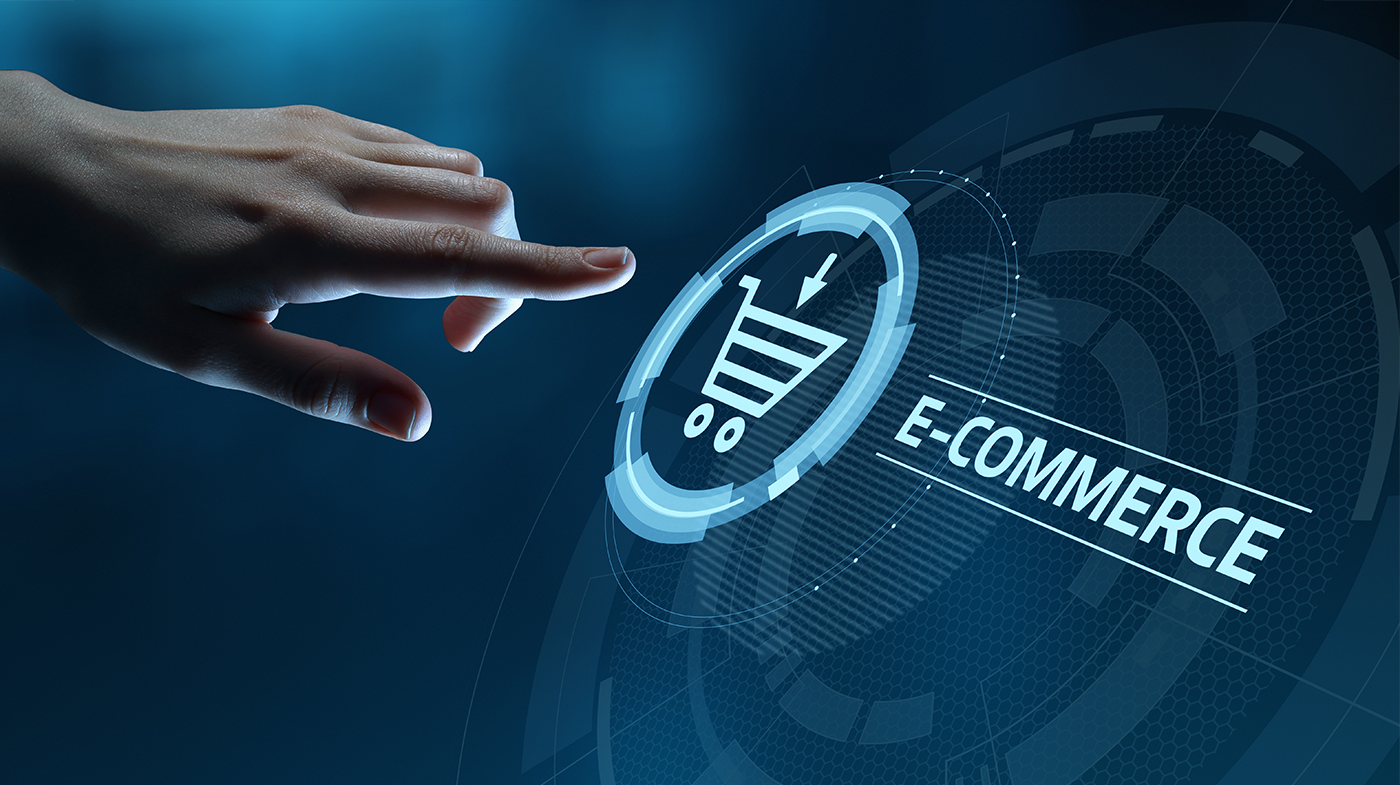
When Visa Inc. says AI is becoming the customer, it is not making a futuristic claim—it is describing a structural shift already underway. According to Visa’s latest research, businesses are preparing for a world where AI doesn’t just assist transactions but actively participates in them. This marks the emergence of what Visa calls “B2AI” (Business-to-AI)—an economic model where AI agents evaluate, negotiate, and execute transactions on behalf of users.
This is a fundamental departure from how commerce has worked for decades. Traditionally, commerce has been linear: brands market to humans, humans decide, and payment networks facilitate the transaction. What Visa is describing is a shift to machine-mediated commerce, where AI systems become intermediaries—and in many cases, decision-makers.
The data points are telling. Nearly 40% of consumers have already made purchases influenced by AI tools, while over half of businesses are willing to let AI agents negotiate directly with other AI systems. This suggests that AI is moving rapidly from recommendation engines to economic actors.
This shift aligns with the broader rise of agentic commerce, where AI systems can search, evaluate, and complete transactions autonomously without real-time human input. The implications are significant.
First, the customer interface itself is changing. Brands are no longer just designing experiences for human users. They are beginning to optimize for AI agents—systems that prioritize efficiency, price, and structured data over emotion and branding. Visa’s research indicates that a large majority of businesses are already preparing for this by adapting pricing, inventory, and product information for machine consumption.
Second, the role of payment networks is expanding. Visa is positioning itself not just as a transaction processor, but as an infrastructure layer for AI-driven commerce. Its recent move to launch platforms like “Intelligent Commerce Connect” signals an attempt to become the bridge between AI agents and global payment systems.
This is a strategic pivot. If AI agents become the primary interface for transactions, the companies that control the rails connecting AI to commerce will hold disproportionate power.
Third, trust becomes the central issue. In human commerce, trust is built through brand, regulation, and experience. In AI-driven commerce, trust must be embedded in systems—through authentication, permissions, and governance. Visa itself acknowledges that without trust, adoption of AI-mediated transactions will stall.
This is where the model becomes complex. If an AI agent makes a purchase decision, who is accountable? The user? The platform? The payment provider? These questions are not theoretical—they are foundational to how this new model will scale.
The timing of this shift is also critical. Visa’s move comes as AI agents are rapidly evolving from chat interfaces to autonomous systems capable of executing multi-step tasks. Earlier initiatives—such as partnerships with AI companies to enable agent-driven shopping—have already laid the groundwork for this transition.
In that context, Visa’s announcement is less about innovation and more about formalizing a new phase of commerce. The message is clear: the next battleground in commerce will not be apps or websites. It will be algorithms negotiating with algorithms.










Leave a comment